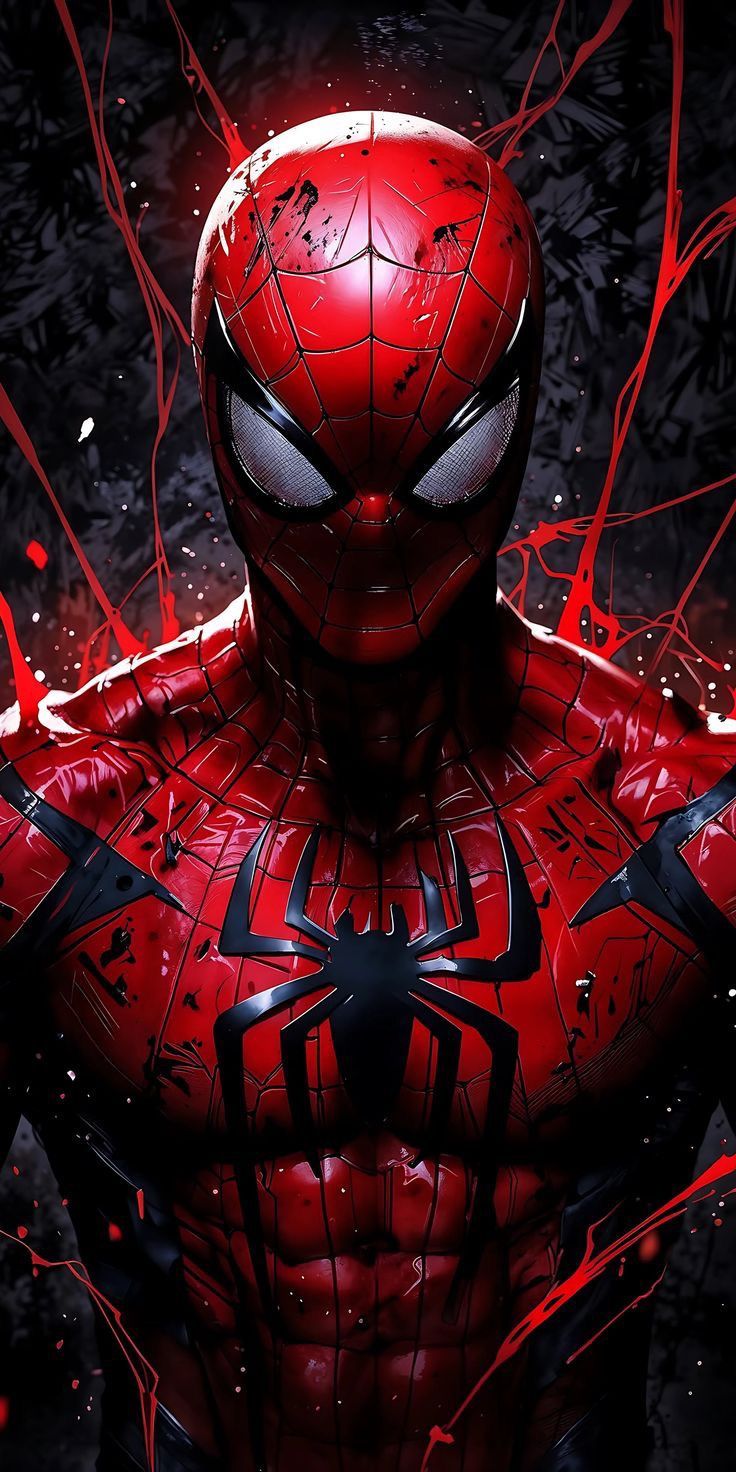
SPIDER-MAN
Spider-Man

"Born from tragedy, forged by responsibility, Spider-Man stands where fear meets courage. Behind the mask is an ordinary soul carrying extraordinary responsibility. Spider-Man was never about power— It was always about doing what’s right and carrying the responsibility that comes with the powers he was given.

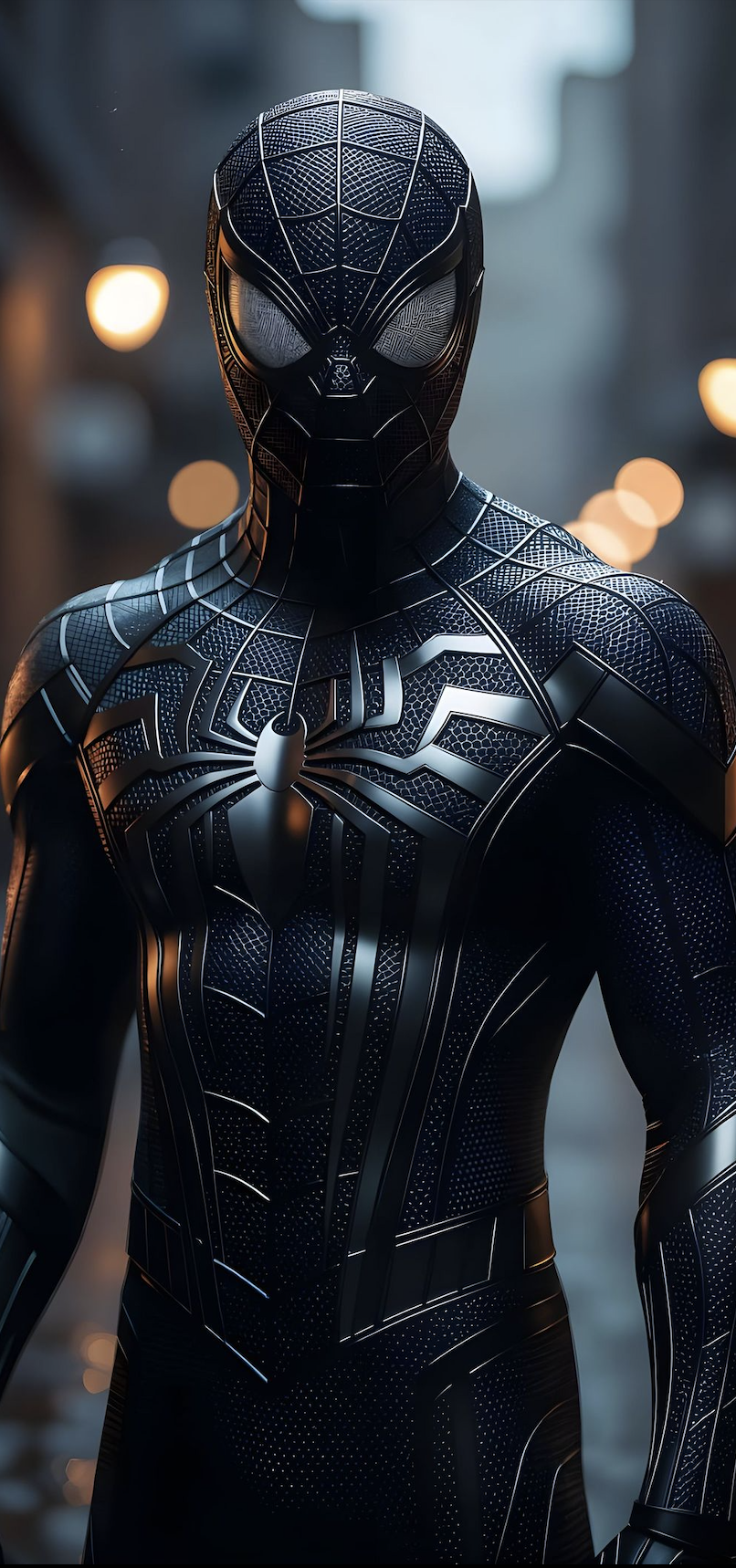
Spider-Man [venom]

"From hero to host, From rejection to rebirth, From struggle to strength, from temptation to triumph— Spider-Man chose the light when darkness offered power. Venom became the shadow he outgrew, A reminder that true heroes are defined not by what they gain, But by what they refuse to become.”

WHO IS SPIDER-MAN?

Spider-Man is one of the most iconic fictional superheroes created by Marvel Comics. The character’s real identity is Peter Parker, a young student whose life changes after gaining extraordinary abilities. Unlike many traditional superheroes, Spider-Man is portrayed as an ordinary individual who must balance personal responsibilities with the challenges of being a hero. This realistic portrayal has made the character widely admired across different generations.


Peter Parker’s story reflects several real-world struggles, including academic pressure, financial limitations, emotional conflicts, and the complexities of friendships and relationships. His character represents responsibility, sacrifice, and personal growth, making Spider-Man more relatable and human than many other superheroes. This combination of realism and heroism is one of the key reasons behind Spider-Man’s lasting global popularity.

ORIGIN OF SPIDER-MAN

The Beginning of a Legendary Superhero

YEAR OF INTRODUCTION

1962

Spider-Man first appeared in the year 1962 during the golden era of Marvel Comics. His introduction completely changed the idea of what a superhero could be.

FIRST COMIC APPEARANCE

The character made his debut in the comic issue Amazing Fantasy #15, which later became one of the most famous comic book releases in history.

Amazing Fantasy #15

CREATORS

Spider-Man was created by writer Stan Lee and artist Steve Ditko, who designed a hero that felt realistic, emotional, and relatable to ordinary people.

Stan Lee & Steve Ditko

EVOLUTION ACROSS MEDIA

Over the decades, Spider-Man expanded far beyond comic books and became a global entertainment icon. The character evolved into animated television series, blockbuster Hollywood films, advanced video games, and eventually became an important part of the Marvel Cinematic Universe (MCU).

Each adaptation introduced Spider-Man to new generations, helping the character remain relevant, inspiring, and universally loved around the world.

Comic Books

The original source of Spider-Man’s journey where Peter Parker’s story first began.

Animated TV Shows

Popular animated adaptations introduced Spider-Man to younger audiences worldwide.

Hollywood Films

Multiple live-action movie franchises transformed Spider-Man into a cinematic phenomenon.

Video Games

Spider-Man games allowed fans to experience web-swinging adventures directly in immersive virtual worlds.

Marvel Cinematic Universe

Spider-Man later became a major character in the MCU, connecting his story with the larger Marvel universe.

Histoire de Spider-Man

Core History of Spider-Man

1962

📚 The Birth in Comics

  • First Appearance: Amazing Fantasy #15 (August 1962)
  • Created by: Stan Lee (writer) & Steve Ditko (artist)
  • Full Name: Peter Benjamin Parker

Origin Story (The Core Myth)

Bitten by a radioactive spider during a science demonstration, high school nerd Peter Parker gains incredible abilities. After the tragic death of his Uncle Ben, he learns the most important lesson in superhero history:

“With great power comes great responsibility.”

— This line became the moral foundation of the entire Spider-Man mythos.

Key Elements Established

🕸️ Dual Identity

Shy student by day, wise-cracking hero by night

🎭 Rogues Gallery

Green Goblin, Doctor Octopus, Venom, Electro & more

💔 Personal Struggles

Guilt, poverty, bullying & bad luck

👥 Supporting Cast

Aunt May, Mary Jane, Gwen Stacy, J. Jonah Jameson

Spider-Man became Marvel’s flagship character — a hero who was not rich, invincible, or perfect.
He was, and always will be, the friendly neighborhood Spider-Man.

🎬 2002 — The Live-Action Breakthrough

2002

Spider-Man Arrives on the Big Screen

  • Movie: Spider-Man (2002)
  • Director: Sam Raimi
  • Actor: Tobey Maguire as Peter Parker / Spider-Man
  • Co-stars: Kirsten Dunst (Mary Jane Watson), Willem Dafoe (Green Goblin), James Franco (Harry Osborn)

This marked the beginning of the modern superhero movie boom.


Why 2002 Was Revolutionary:

  • First major big-budget Spider-Man film after decades of attempts.
  • Perfectly captured the spirit of the comics: Peter’s struggles, humor, romance, and responsibility.
  • Iconic moments: The upside-down kiss in the rain, the "Go home, you're done" speech, organic web-shooters.
  • Massive commercial success — it proved superhero films could be huge blockbusters and opened the door for the MCU later.

The Tobey Maguire Era [Sam Raimi Trilogy]

• Spider-Man (2002)
• Spider-Man 2 (2004) — Widely considered one of the best superhero movies ever made.
• Spider-Man 3 (2007) — Famous for its ambitious (and divisive) scope with Venom and the dance scene.

This trilogy defined Spider-Man for an entire generation of fans and brought the character to global mainstream audiences.

The Bridge Between Comics & Film

From 1962 to 2002 (40 years), Spider-Man lived primarily in comics, animation (Spider-Man: The Animated Series in the 90s was huge), and games. The 2002 film finally brought the core story — the radioactive bite, Uncle Ben’s death, great power/responsibility — to the big screen with respect to the source material.

La future extension

Garfield (2012–2014): Full reboot, but stays faithful to the 1962 core — radioactive spider bite, Uncle Ben’s death, and “With great power comes great responsibility.” More modern/emotional take on the same foundational guilt and growth.

Holland (MCU, 2016–present): No reboot. Directly builds on the same comic roots (spider bite, Ben’s death, responsibility), while adding MCU teamwork. His story constantly references the classic “friendly neighborhood” struggles and moral core from 1962.